
The allure of gambling often stems from the excitement surrounding uncertainty. When individuals place risky bets in casinos, they engage in a dance with chance, driven by the potential for high rewards. This thrill is an integral part of the gambling experience, as the unpredictability can trigger adrenaline rushes, making each bet feel like a mini-adventure. For many, the excitement of not knowing the outcome can be more appealing than the act of winning itself. Many players also explore crypto casino sites to add another layer of unpredictability to their betting experience.
Psychologically, this uncertainty is linked to concepts of risk-taking behavior, where individuals weigh the possibilities of loss against the potential for gain. The brain’s reward system becomes activated in such scenarios, releasing dopamine and reinforcing the desire to continue taking risks. This creates a cycle where the emotional high of placing a risky bet encourages further participation in gambling activities, often blurring the lines between fun and compulsion.
Cognitive biases heavily influence gambler behavior, particularly when it comes to risky bets. One common bias is the illusion of control—gamblers often believe they can influence the outcome of games that are fundamentally random. This belief can lead to overconfidence in betting, prompting individuals to place larger wagers in hopes of leveraging their perceived skills. As a result, they may ignore statistical realities, leading to poor decision-making.
Another cognitive bias found in gambling is the gambler’s fallacy, where individuals believe that previous outcomes affect future results. For example, if a player experiences several losses, they might feel that a win is “due,” motivating them to take riskier bets. This misinterpretation of probability can cause players to chase losses or escalate their wagers, creating a vicious cycle of risk and reward that is often difficult to break.
The environment of a casino plays a crucial role in influencing risky betting behavior. Casinos are designed to be engaging and immersive, filled with visually stimulating lights, sounds, and interactions that encourage players to take risks. Social interactions among gamblers also contribute to this dynamic; peer pressure and shared excitement can lead individuals to make more daring bets than they would typically consider alone.
Furthermore, the presence of others can create a competitive atmosphere, where players feel compelled to match or exceed the betting behavior of their peers. The social aspect of gambling enhances the overall experience, reinforcing the thrill of risk-taking as individuals bond over shared successes and failures. This shared environment can elevate the stakes emotionally and financially, often pushing individuals towards more significant and riskier bets.
The psychology of gambling is deeply intertwined with addiction, where the pursuit of risky bets becomes less about recreation and more about compulsion. Many individuals may start gambling casually but find themselves drawn into a cycle of escalating bets due to the thrill and the brain’s chemical rewards associated with risk-taking. This transformation can lead to severe consequences, including financial ruin, strained relationships, and mental health issues.
Understanding the signs of gambling addiction is crucial for individuals who engage in risky betting. Recognizing when the thrill shifts from fun to compulsion is essential for maintaining healthy gambling habits. Support systems, including counseling and support groups, provide vital resources for those struggling with addiction, emphasizing the importance of being aware of the psychological factors that can lead to risky behavior in gambling contexts.
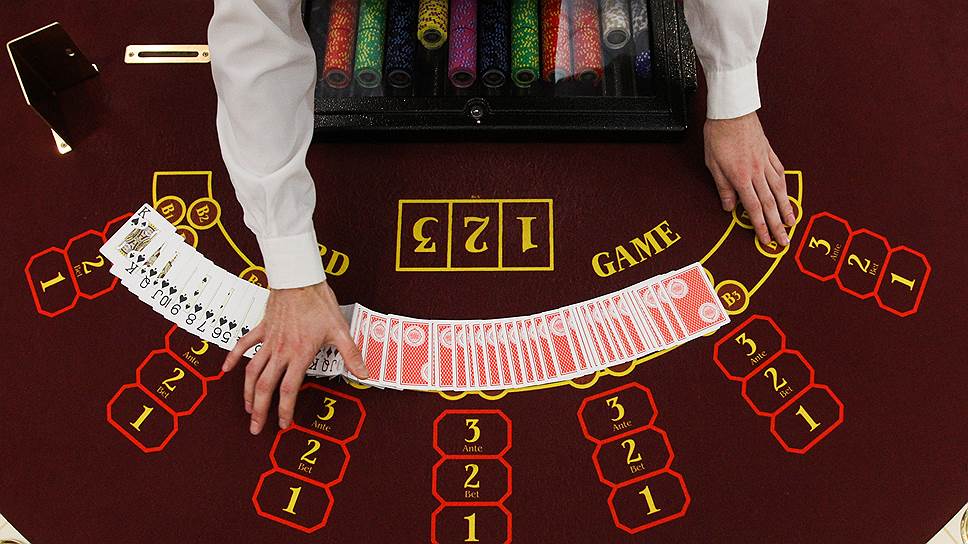
As we explore the psychology behind risky bets in casinos, it becomes clear that understanding these motivations is essential for maintaining a healthy gambling experience. By recognizing the thrill of uncertainty, cognitive biases, and the social dynamics involved, players can better manage their betting behavior. Additionally, awareness of the potential for addiction highlights the need for responsible gambling practices.
Ultimately, casinos can promote safer gambling environments by encouraging self-awareness and offering resources for responsible gaming. As the landscape of gambling continues to evolve, fostering a culture of mindfulness and moderation is crucial for ensuring that the excitement of risk does not overshadow the importance of responsible play.